Rejuvenate Your Skin with Chemical Peels: Top Skin Rejuvenation Techniques
By Lee Jameson-Laffey · 12 January 2026 · 4 min read
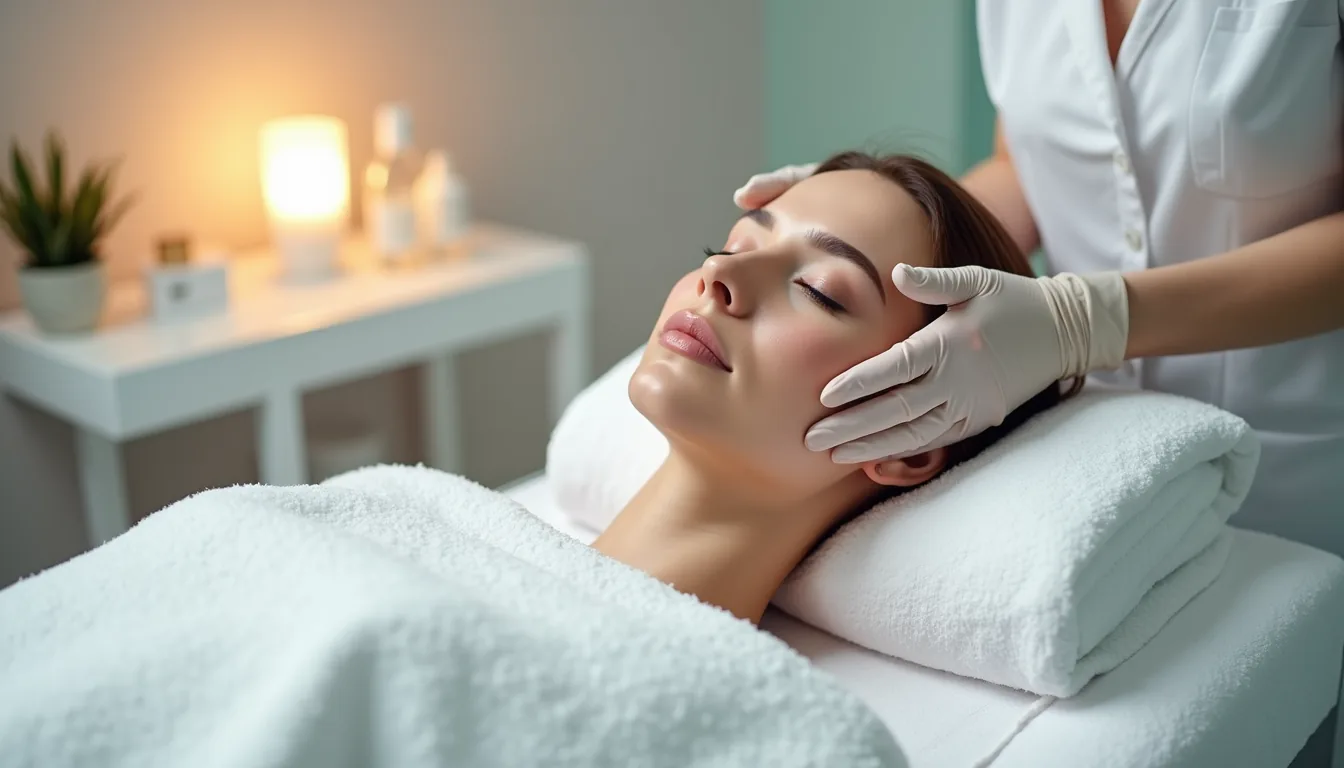
If you’re craving a fresh, glowing complexion, chemical peels might just be your new best friend. These treatments have surged in popularity for their ability to transform tired, dull skin into a radiant canvas. Whether you’re battling fine lines, uneven texture, or stubborn pigmentation, chemical peels offer a powerful yet natural way to rejuvenate your skin. Let’s dive into the world of skin rejuvenation techniques and discover how chemical peels can help you achieve that vibrant, youthful glow.
Exploring Popular Skin Rejuvenation Techniques
Skin rejuvenation is all about restoring your skin’s natural vitality and smoothness. There are many techniques available, but chemical peels stand out for their effectiveness and versatility. Here’s a quick overview of some popular options:
- Chemical Peels: Use acids to exfoliate the top layers of skin, revealing fresher skin underneath.
- Dermal Fillers: Add volume to areas like cheeks and lips for a plumper, youthful look.
- Botox: Smooth out wrinkles by relaxing facial muscles.
- Skin Boosters: Hydrate and improve skin texture from within.
- Medical Grade Facials: Deep cleansing and targeted treatments for specific skin concerns.
Among these, chemical peels are a favourite for those seeking natural-looking results without invasive procedures. They work by gently removing dead skin cells and stimulating collagen production, which helps your skin look firmer and more radiant.
How Chemical Peels Work to Rejuvenate Your Skin
Chemical peels involve applying a solution containing acids like glycolic, salicylic, or lactic acid to your skin. These acids exfoliate the outer layers, encouraging the skin to shed dead cells and regenerate new ones. The result? Smoother texture, reduced pigmentation, and a brighter complexion.
There are different types of chemical peels depending on the depth of treatment:
Superficial Peels: Mild acids that exfoliate only the outermost layer. Ideal for minor skin imperfections and maintenance.
- Medium Peels: Penetrate deeper to treat wrinkles, acne scars, and uneven skin tone.
- Deep Peels: Strong acids that reach the lower layers of skin for dramatic results, often requiring downtime.
Choosing the right peel depends on your skin type, concerns, and desired outcome. A professional consultation ensures you get a treatment tailored to your needs.
Benefits of Chemical Peels
Improved skin texture and tone
- Reduction in fine lines and wrinkles
- Diminished acne scars and pigmentation
- Boosted collagen production
- Clearer, more radiant skin
Chemical peels are a fantastic option for those who want noticeable improvements without surgery or long recovery times.
Is a Chemical Peel Really Worth It?
You might wonder if investing in a chemical peel is truly worthwhile. The answer is a confident yes, especially when you want natural, private results that enhance your skin’s health and appearance.
Here’s why:
Long-lasting results: Unlike quick fixes, chemical peels promote skin regeneration, giving you lasting improvements.
- Customisable treatments: Peels can be adjusted to suit sensitive skin or more stubborn concerns.
- Minimal downtime: Many peels require little to no recovery, so you can get back to your routine quickly.
- Complementary to other treatments: Chemical peels work well alongside dermal fillers, Botox, and skin boosters to create a comprehensive rejuvenation plan.
For example, if you have uneven skin tone and fine lines, a medium peel combined with skin boosters can hydrate and smooth your skin beautifully. Plus, the confidence boost from seeing your skin glow is priceless.
If you’re in the area, consider booking a consultation for a chemical peel durham to explore your options with experts who understand your skin goals.
Preparing for Your Chemical Peel: What You Need to Know
Preparation is key to getting the best results from your chemical peel. Here are some practical tips to help you get ready:
Avoid sun exposure: Protect your skin from UV rays for at least two weeks before your peel.
- Stop certain skincare products: Discontinue retinoids, exfoliants, and other strong products as advised by your clinician.
- Hydrate your skin: Use gentle moisturisers to keep your skin healthy.
- Discuss medications: Inform your practitioner about any medications or skin conditions.
- Plan your schedule: Depending on the peel depth, you might want to avoid social events for a few days.
Following these steps ensures your skin is in the best condition to respond positively to the treatment.
Aftercare Tips for Lasting Skin Rejuvenation
Post-peel care is just as important as the treatment itself. Proper aftercare helps your skin heal and maximises the benefits of the peel. Here’s what to do:
Keep your skin moisturised: Use gentle, hydrating creams to soothe peeling skin.
- Avoid sun exposure: Use a broad-spectrum SPF 30 or higher daily.
- Don’t pick or peel skin: Let your skin shed naturally to avoid scarring.
- Use mild cleansers: Avoid harsh scrubs or exfoliants until your skin fully recovers.
Follow your clinician’s advice: They may recommend specific products or routines.
By taking good care of your skin after the peel, you’ll enjoy a smoother, brighter complexion for weeks to come.
Unlock Your Skin’s Potential with Expert Treatments
Chemical peels are a fantastic way to rejuvenate your skin naturally and effectively. When combined with other treatments like dermal fillers, Botox, and medical grade facials, they can help you achieve a youthful, radiant look without surgery or downtime.
If you’re ready to take the next step, consider booking a consultation with a trusted clinic that offers personalised skin rejuvenation plans. With expert guidance and tailored treatments, you can reveal your best skin yet.
Remember, glowing skin is just a peel away!