Why Patients Are Asking for Neauvia Filler, And What Makes It Different
By Lee Jameson-Laffey · 25 April 2026 · 3 min read
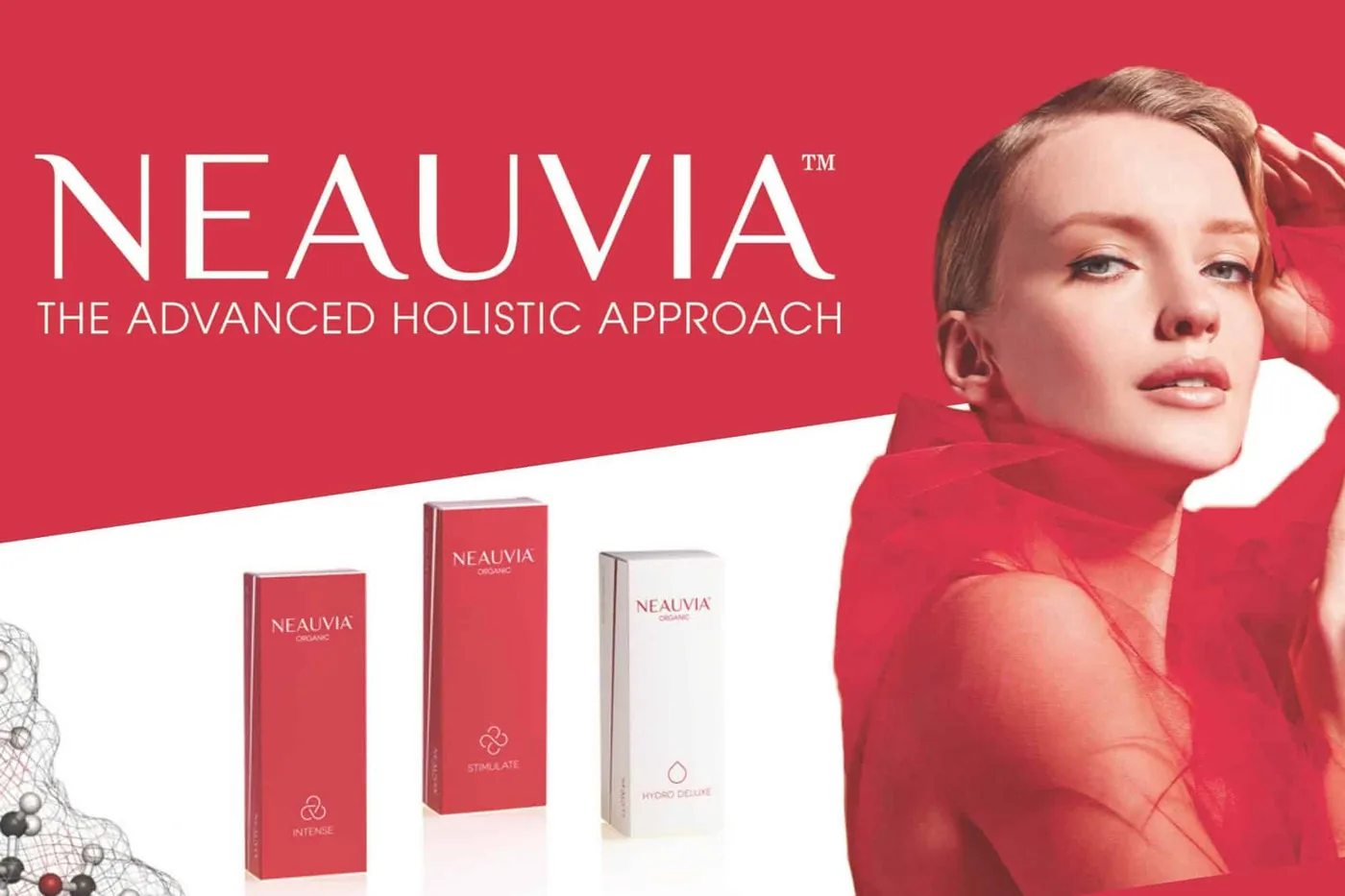
At The Aesthetic Surgery in Durham, chin filler is one of the most transformative, underrated treatments we offer. A well-sculpted chin balances the entire profile, it defines the jaw, improves the neck-to-chin angle, and subtly rebalances features that can otherwise look heavier or less harmonious. More and more patients are coming in asking specifically for Neauvia, and there's a good reason for that.
It's Not Just Another HA Filler
Most hyaluronic acid fillers on the market are cross-linked with a chemical called BDDE (1,4-butanediol diglycidyl ether). BDDE does its job, it turns liquid HA into a structured gel, but small traces of residual cross-linker can remain in the product, which is one of the reasons some patients experience inflammation, nodules, or delayed hypersensitivity.
Neauvia uses a different cross-linker entirely: PEG, polyethylene glycol. PEG is the same biocompatible polymer used in some pharmaceutical and medical device applications because it's exceptionally well tolerated by human tissue.
The result is a filler that feels more like an extension of the patient's own tissue rather than a foreign implant sitting under the skin.
Why That Matters for the Chin
The chin is a demanding area for a filler. It needs to hold structure, we're adding projection, refining the shape, balancing the lower face, while still integrating naturally so that the skin above it moves, smiles and expresses the way it always did.
Neauvia is particularly well-suited to this because:
1. It lifts without feeling firm. PEG cross-linking gives the gel excellent lift capacity, but without the dense, rubbery feel that some heavier fillers can leave behind.
2. It supports longer-lasting results. Because the gel matrix is stable and integrates well, patients typically see results last 12–18 months with good aftercare, which is at the longer end of what's realistic for chin filler.
3. Lower inflammation profile. For patients who've had reactions to BDDE-based fillers in the past, or who simply want to minimise that risk, PEG-crosslinked HA is a thoughtful choice.
4. Natural movement. This matters more than people realise. A chin that looks sculpted when you're still but moves stiffly when you laugh or talk is a giveaway. Neauvia's rheology helps avoid that.
Who's It For?
The typical patient coming to us for Neauvia chin filler is someone who:
- Wants definition in the lower face, a more defined jaw, a stronger profile
- Is bothered by a recessed or shortened chin that makes the lower face feel out of balance
- Has a 'double chin' appearance that isn't actually about weight, but about chin projection
- Wants to rebalance the face after lip filler or other lower-face work
- Has researched fillers and specifically wants a PEG-crosslinked option for tolerance reasons

The treatment itself is quick. After a consultation to map out exactly what we're trying to achieve, we numb the area, mark injection points, and place the filler with a cannula or needle depending on what suits the anatomy. Most patients are back to normal within 24–48 hours, with any minor swelling settling within a week.
Same-Day Consultation and Treatment
In most cases, if a patient has done their research and comes in clear on what they want, we can complete the consultation and treatment in a single appointment, you don't have to come back twice. We still take the time to talk through what we're doing and why, check medical history properly, and make sure expectations are realistic. It's just built into one visit rather than two.
Booking
If you've been thinking about chin filler and specifically want the Neauvia option, get in touch and we'll get you booked in. Durham clinic, small and personal, always a one-to-one consultation, never rushed.
Written by Lee Jameson-Laffey, The Aesthetic Surgery, Durham