
Treatments · Durham
Stretch Mark
Treatment
in Durham
A course of 5 to soften the look of stretch marks, with the option to tighten the skin around them.
Book a free consultationWritten and reviewed by Lee Jameson-Laffey, Advanced Aesthetic Practitioner · Updated November 2026
Stretch marks are a form of scarring in the deeper layer of the skin. They are very common, completely harmless, and nothing you need to fix. If they bother you, though, there is something that can help.
This course uses microneedling to deliver a professional repair solution, containing polynucleotides, organic silicon and botanical extracts, directly into the marks. For looser skin, each visit can begin with radiofrequency to tighten the area as well. No treatment removes stretch marks completely. The aim is skin that looks smoother, firmer and more even. Results vary.
Common concerns we treat
Repair from within
Microneedling creates thousands of tiny, controlled channels in the skin. Your body responds by producing new collagen and elastin, which is what stretch-marked skin is short of. Those same channels carry the repair solution to where it is needed.
Radiofrequency, when added, gently heats the deeper tissue to encourage firmer, tighter-looking skin. It is always done first, before any needling, so the skin is never heated once it has been treated. Change builds across the course, so this is a steady improvement, not a one-session fix.
What to expect
Consultation
Lee looks at the area, checks your medical history and tells you honestly what to expect. Photos are taken so progress can be measured.
Treatment
The skin is cleansed and numbed. Radiofrequency comes first if it is part of your course, then microneedling with the repair solution.
Between sessions
A day or two of redness, then your skin gets on with rebuilding. Sessions are two weeks apart.
Review
At session 5 Lee compares your photos with you. If you would like to go further, a single top-up session is available.
Two courses, one consultation
Tap each one to see when it's used
What to expect, at a glance
Simple, all-in pricing
Stretch Mark Course, 5 sessions: £395. Microneedling with the repair solution at every visit.
Stretch Mark and Tightening Course, 5 sessions: £595. Radiofrequency skin tightening followed by microneedling with the repair solution at every visit.
Top-up session after a course: £89.
Your consultation is free. You can pay in full or spread the cost, and a gift card can be used towards either course.
Book the Stretch Mark CourseBook with Tightening
Book your first session online. Lee checks your suitability at that visit before any treatment, and books your remaining sessions with you.
A proper conversation
This course suits most skin types and most areas of the body. It isn't carried out during pregnancy or breastfeeding, on broken or infected skin, or for anyone prone to keloid scarring. Radiofrequency isn't suitable with a pacemaker or metal implants in the area. Lee checks all of this with you first, and will say so if he thinks another treatment would serve you better.
Not sure if this is even the right treatment for your concern?
Find my treatment →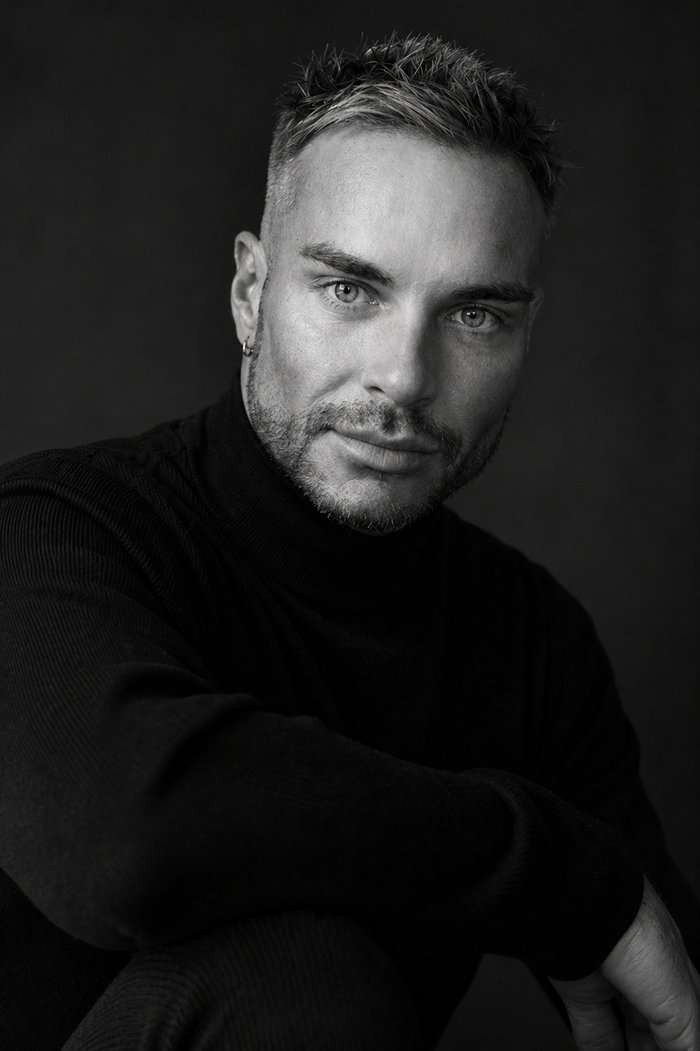
FAQ
No treatment can promise that. The aim is to make stretch marks look softer, smoother and closer to the surrounding skin. Newer red or purple marks usually respond better than older white or silver ones. Lee will tell you honestly at your consultation what is realistic for you. Results vary.
The Stretch Mark Course is £395 for 5 sessions. The Stretch Mark and Tightening Course, which adds radiofrequency to every visit, is £595 for 5 sessions. A single top-up session after a course is £89. You can pay in full or spread the cost.
The course is 5 sessions, two weeks apart, so it takes about 8 weeks from start to finish. Lee reviews your photos with you at session 5. Some people choose a top-up session after that.
A numbing cream is applied first, so most people describe microneedling as a prickling or scratching feeling rather than pain. The radiofrequency part feels warm. The area can look pink and feel like mild sunburn for a day or two.
Very little. Expect redness and some tightness for 24 to 48 hours. You will be asked to keep the area clean, avoid heat, swimming and sunbeds for a few days, and use sun protection if the area is exposed.
It is not carried out during pregnancy or breastfeeding, on broken or infected skin, or if you are prone to keloid scarring. Radiofrequency is not suitable if you have a pacemaker or metal implants in the area. Lee checks your medical history before any treatment.
The most common areas are the tummy, hips, thighs, buttocks, breasts and upper arms. Lee will look at the area at your consultation and confirm whether it is suitable.
Ready to talk it through?
Free consultation, no pressure, just an honest look at what would actually work for you.
Related treatments